About Us
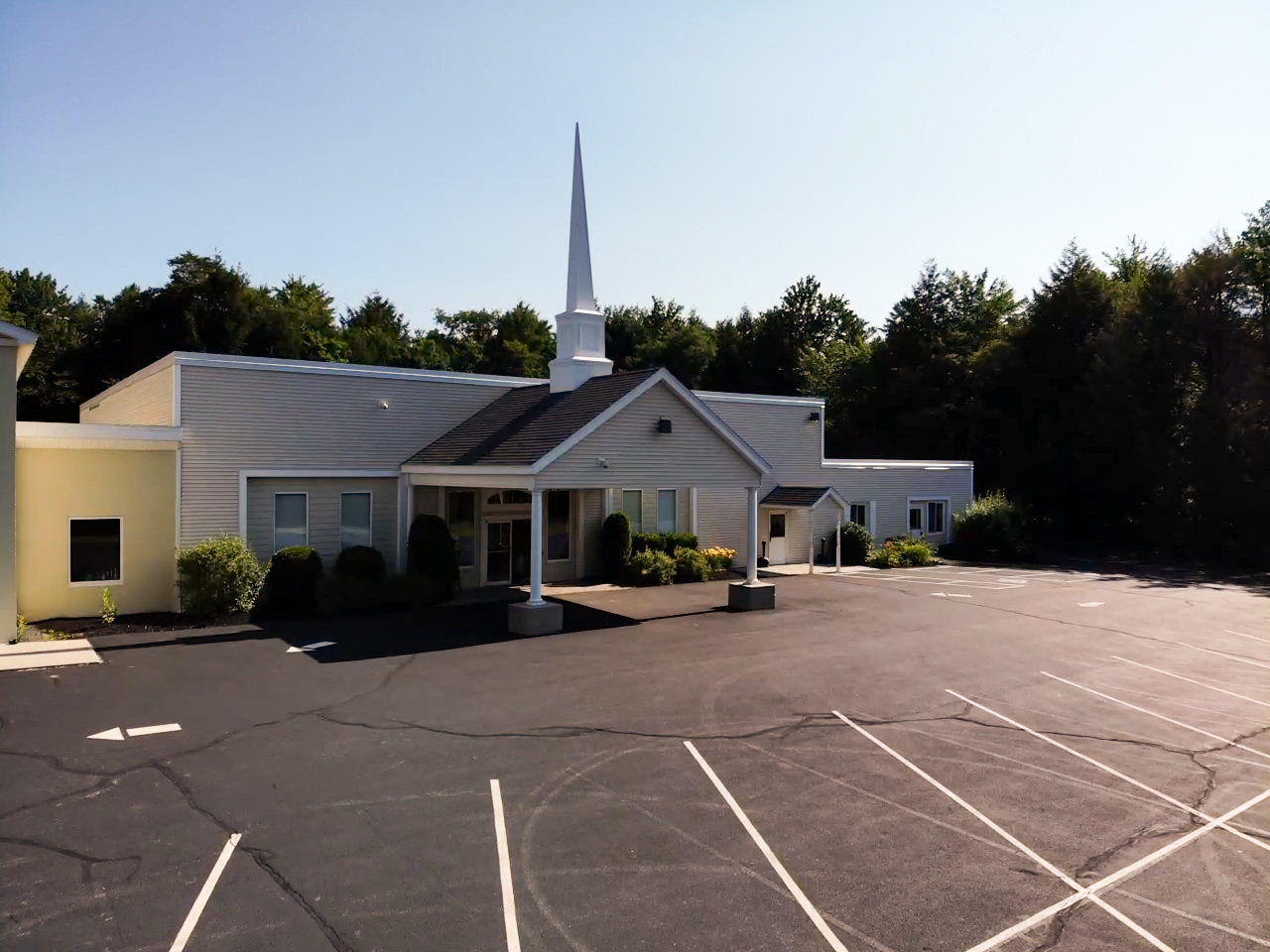
At Christian Outreach Church, we value connection and community. Our teachings are built around connecting people to each other and to God.
We are a welcoming and open church that encourages people to come and share in the love of Jesus. Come join our community and grow in your faith alongside others who have the same beliefs and values.
Our Beliefs
We invite you to explore our beliefs and join us in our pursuit of living out our faith in boldness and passion.
The Trinity
It is the testimony of both the Old and New Testaments and of the Christian Church that God is
both One and Triune. The biblical revelation testifies that there is only one God and that He is
eternally existent in three persons— Father, Son and Holy Spirit.
A. God the Father.
God the Father is the creator and sustainer of all things, and He created the universe in love. He
created man in His own image for fellowship and called man back to Himself through Christ
after the rebellion and fall of man.
B. The Son.
Jesus Christ is eternally God. He was together with the Father and the Holy Spirit from the
beginning, and through Him all things were made. For man’s redemption, He left heaven and
became incarnate by the Holy Spirit through the Virgin Mary; henceforth, He is forever one
Christ with two natures—God and man—in one person.
C. The Holy Spirit.
The Holy Spirit is God, the Lord and giver of life, who was active in the Old Testament and
given to the Church in fullness at Pentecost. He empowers the saints for service and witness, by
His gifts and fruit, and cleanses man from the old nature and conforms us to the image of Christ.
We believe that the function of the Holy Spirit is to guide and lead us into all truth.
The Scripture
We affirm that the Bible, containing the Old and New Testaments, is alone the only infallible,
inspired Word of God, and that its authority is ultimate, final and eternal. It cannot be added to,
subtracted from or superseded in any regard. The Bible is the source of all doctrine, instruction,
correction and reproof. It contains all that is needed for guidance in godliness and practical
Christian conduct.
The Atonement
Christ’s vicarious death on the cross paid the penalty for the sins of the whole world, but its
benefits are only applicable to those who receive Jesus as personal Savior. Healing—body, soul
and spirit—and all of God’s provisions for His saints, are provided for in the atonement, but
these must be appropriated by faith
Salvation
The Word of God declares clearly that salvation is a free gift of God, based on the merits of the
death of His Son, and is appropriated by faith. Salvation is affected by personal repentance,
belief in the Lord Jesus (justification) and personal acceptance of Him into one’s life as Lord and
Savior (regeneration). The new life in Christ includes the privileges of adoption and inheritance
in the kingdom of God’s beloved Son. Salvation is an act of free will in response to God’s
personal love for mankind. Salvation should produce an active lifestyle of loving obedience and
service to Jesus Christ our Savior.
The Christian Life
The Word of God declares clearly that salvation is a free gift of God, based on the merits of the
death of His Son, and is appropriated by faith. Salvation is affected by personal repentance,
belief in the Lord Jesus (justification) and personal acceptance of Him into one’s life as Lord and
Savior (regeneration). The new life in Christ includes the privileges of adoption and inheritance
in the kingdom of God’s beloved Son. Salvation is an act of free will in response to God’s
personal love for mankind. Salvation should produce an active lifestyle of loving obedience and
service to Jesus Christ our Savior.
The Church
The goal of the church is to make disciples of all nations and to present the saints complete in
Christ. The five-fold ministries listed in Ephesians 4 govern the church, along with the Elders
and service of the deacons, as well as other leadership roles mentioned in Scripture. Church
policy is a balance between congregation and Eldership authority, emphasizing the final
authority of the church leadership. It is essential to the life of the church that scriptural patterns
of discipline are practiced and that oversight for church discipline, individual and corporate, is
exercised by the leadership of the church.
Baptism and the Lord’s Supper
The Word of God places on the church two perpetual ordinances of the Lord Jesus Christ. The
first, baptism (By immersion), is a death, burial and resurrection. As stated in Romans 6:1-14 The Lord’sSupper is a commemoration of the death of the Lord and is done in remembrance of Him
until He comes again; it is a sign of our loving participation in Him. Both institutions are restricted to
those who are believers.
Eschatology
We affirm the bodily, personal, second coming of the Lord Jesus Christ, the resurrection of the
saints, the millennium and the final judgment. The final judgment will determine the eternal
status of both the saints and the unbelievers, determined by their relationship to Jesus Christ. We
affirm with the Bible the final state of the new heavens and the new earth.
Copyright 2026 Christian Outreach Church
All Rights Reserved.